
A guide for sellers
What happens, in the order it happens. What to have ready, what it costs, and where sales usually slow down. For anyone thinking about selling, whether that’s this month or next year.
Start here
Every sale in England runs through the same stages. Where it tends to get stuck depends on your situation, so find yours first.
You’re part of a chain, even if it’s a short one. Your sale and your purchase have to exchange on the same day, so your buyer’s position matters as much as their price. Being under offer when you find the next house also makes you a stronger buyer for it.
Weighing up offersMoving in with someone, renting for a while or leaving the area makes you the end of a chain. That’s something buyers value, and it belongs in how the home is marketed. Your timing is also easier to fit around theirs.
Going on the marketThe buyer’s solicitor will need information from your freeholder or managing agent, usually a management pack (the LPE1 form). It comes from a third party and there’s normally a charge for it, so ask your solicitor to request it early.
Paperwork to start nowYou can sell with the tenant staying, to an investor, or with the property empty, to anyone. The rules for ending a tenancy changed on 1 May 2026, and the route you choose shapes who can buy, and when.
Selling with tenantsThe government’s advice is not to put the house on the market until probate has been granted, and the sale can’t complete without it. The waiting time can still be used for the valuation, clearing the house and gathering the paperwork.
Selling during probateThe seven steps
Each step says who does the work: You The buyer’s side Your agent
Everything else follows from the asking price, so it comes first.
An online estimate is a sensible place to start. It’s built from sold prices nearby and can’t see inside your house, so treat it as a range rather than a figure.
A valuation visit tests that range against the house itself: its condition, its layout, what’s been done to it, and what a buyer could choose instead on the market around you right now.
Most sellers ask more than one agent. If the figures differ, ask each agent what’s behind theirs: which sales they compared it with, and why. The higher number isn’t necessarily wrong. A number that can’t be explained just hasn’t been tested yet.
Sam or John visits, and you get the figure, the sold prices it was built from and the reasoning, in writing. How we value a home
Not ready for a visit? Get an instant online estimate
Much of what holds a sale up later is paperwork that could have been found months earlier. None of it needs a buyer to exist first.
The full list is in the checklist below, which you can tick off and print.
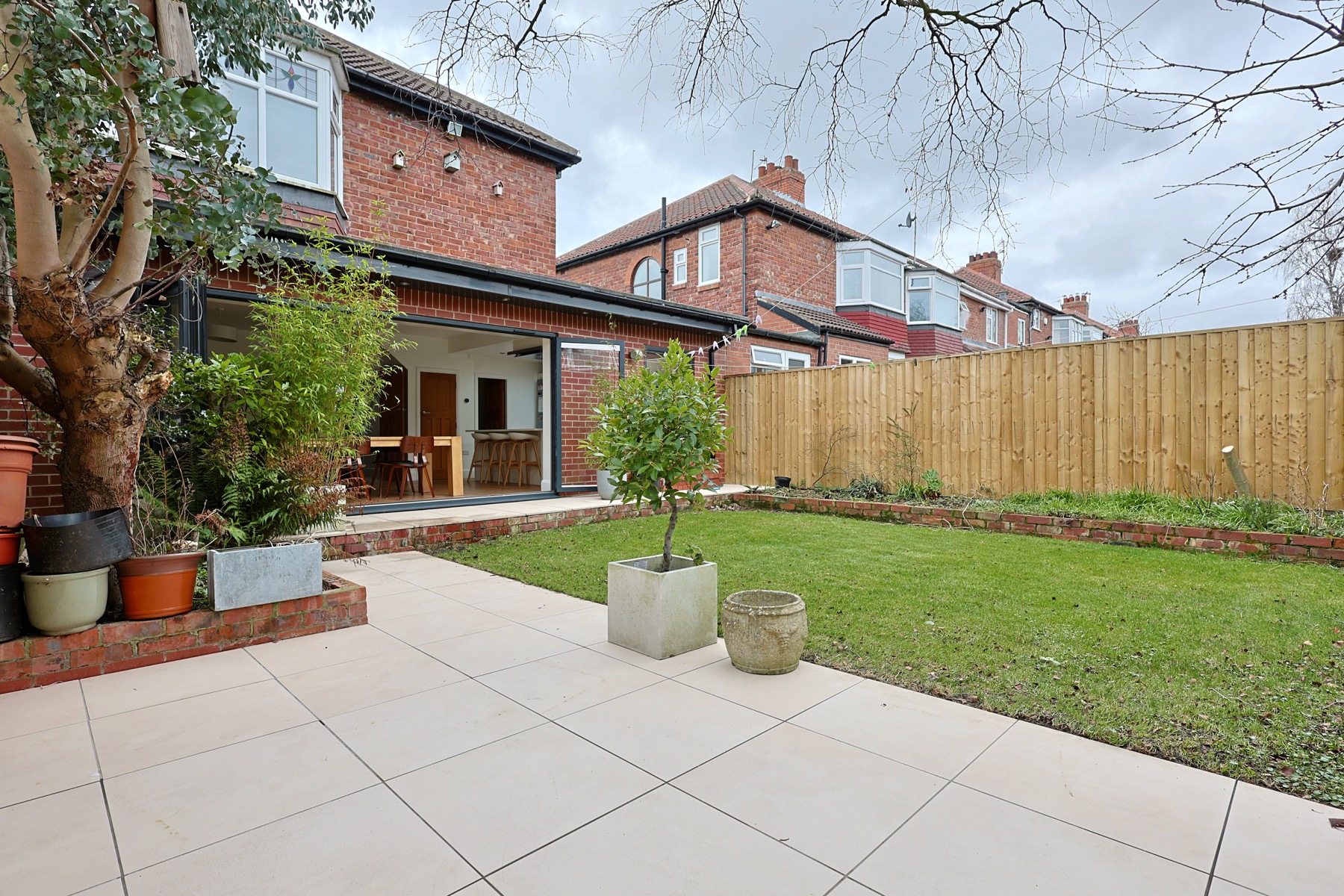
Most buyers decide whether to view from a few photographs on a phone. The preparation that counts is the kind that shows in those.
Clear the surfaces. Finish the small jobs that have been waiting: the dripping tap, the cracked tile, the door that sticks. Open the curtains and let the light in. Tidy the front, because it’s the first thing a buyer sees in person and often the first photograph online.
Bigger spending is a different question. A new kitchen or bathroom doesn’t always come back in the price, and it depends on who’s likely to buy. A first-time buyer may want somewhere finished. A buyer looking for a project will price the work in either way.
We’ll tell you at the valuation what’s worth doing and what to leave alone. Photographs are taken once the house is ready, not before.
Before a listing goes live, your agent has to gather what’s called material information: what a buyer needs to know to decide whether to view. Leaving it out of a listing is against consumer protection law.
That starts with the price, the tenure and the council tax band. It goes on to the property’s construction, rooms, utilities, broadband and mobile signal, and parking. Then there’s anything that affects this particular house, such as flood risk, rights of way, restrictions on its use, planning, or being in a former coal mining area. The North East has a long history of mining, so that last one is checked property by property.
You’ll be asked about most of this before the photographs are taken. The buyer’s solicitor will check much of it again later, so answering it fully now avoids surprises after an offer.
You can show people round yourself or leave it to your agent. What matters more is that buyers can see the house when it suits them, which often means evenings and Saturdays. After each viewing you should hear what the buyer thought, including the parts that aren’t flattering.
Photography, a floorplan and a video tour, then Rightmove, Zoopla, our own site and social channels. We accompany viewings and give you feedback after each one. See how homes are marketed
If viewings aren’t turning into offers, we look at the photographs, the listing and who’s seeing it before anyone talks about the price, and we agree a date to review it together.
Two offers at the same price can be very different offers.
One might come from a buyer with a mortgage agreed in principle and nothing to sell. The other from a buyer whose own home isn’t on the market yet. The second can still be the right one, but you’d want to know that before you accept.
Accepting an offer doesn’t commit you, or the buyer. In England, a sale only becomes legally binding when contracts are exchanged, which is step six.
Every offer reaches you in writing, with the buyer’s finance, chain and timescale checked. We’ll tell you plainly whether we think it’s worth taking or worth waiting on.
This is the longest part of most sales, and the part where you’re doing the least. The solicitors do the legal work. Your job is to answer their questions quickly.
From an accepted offer to completion, most of our sales take 8 to 14 weeks. Long chains and leasehold flats can take longer.
Sent to both solicitors once you accept an offer: the price, the buyer, the seller and who’s acting for each. It’s the starting point for the legal work.
Your solicitor sends the buyer’s solicitor the draft contract, your title and the forms you’ve completed. Little moves until this pack arrives, which is why the forms in step two are worth doing early.
The buyer’s solicitor reviews the pack, orders searches (the local authority, water and drainage, environmental and, where it applies, coal mining) and raises enquiries about anything that needs clarifying.
Your solicitor passes the questions to you. The quicker the answers go back, the sooner the buyer’s solicitor can report to their client.
If the buyer has a mortgage, their lender values the property and, if it’s satisfied, issues a mortgage offer. Many buyers also commission their own survey. Both can raise questions of their own.
With enquiries answered, searches back and the mortgage offer in, both sides sign, a completion date is agreed, and contracts are exchanged. From this moment the sale is legally binding.
The memorandum of sale goes to both solicitors the same day you accept. From then on we sit between the two sides, chasing whoever holds the next step, and you get an update from us every week, whether or not anything has moved.

Completion is the day the money moves and the house changes hands.
At exchange the buyer pays a deposit through their solicitor, traditionally 10% of the price, though it’s often less in a chain, and the completion date is fixed. Exchange and completion can be on the same day or weeks apart; it’s agreed between everyone in the chain.
By completion you need to be out, having left what the Fittings and Contents Form says is staying, and taken what it says is going.
On the day, the buyer’s money reaches your solicitor, who pays off your mortgage and the costs of the sale, then sends you the rest. Once the funds are confirmed, the keys are released to the buyer.
We hold the keys and release them as soon as your solicitor confirms the money has arrived.
Before you go on the market
What a buyer’s solicitor is likely to ask for, gathered in one place. Tick things off as you find them. Your ticks stay in this browser only.
What selling costs
Most of these vary with the property and the firm, so ask for each quote in writing before you commit.
Questions sellers ask
It’s two different waits. The first is finding the right buyer, which depends on the price, the type of house and the time of year. The second is from an accepted offer to completion, which for most of our sales is 8 to 14 weeks. Long chains, leasehold flats and probate sales tend to take longer.
At exchange of contracts. Until then, either you or the buyer can withdraw. After exchange, pulling out has serious financial consequences, starting with the deposit.
It depends on how much you need the next house to be a particular one. Being under offer makes you a stronger buyer, and some sellers won’t accept an offer from someone who hasn’t sold. But if the right house for you rarely comes up, you might want to be looking at the same time.
If there’s a gap between the two, some sellers rent for a while rather than hold up either sale. It’s a conversation to have at the valuation, because the answer depends on your plans.
No. Plenty of sellers prefer not to be. If you’d rather show people round yourself, that’s fine too, and you’ll know the house better than anyone. We accompany viewings either way, so there’s someone to answer the questions a buyer might not ask you.
Yes. You can sell with the tenancy continuing, usually to another landlord, or end the tenancy and sell with vacant possession to anyone.
Since 1 May 2026, ending a tenancy to sell means using the selling ground under the Renters’ Rights Act. It needs four months’ notice and can’t be used in the first twelve months of a tenancy. If you do use it, you can’t market or re-let the property for twelve months, so it isn’t possible to test the sales market and fall back on renting if it doesn’t work. It’s a decision to make with the numbers in front of you. Information for landlords
The sale can’t complete until probate has been granted, and GOV.UK’s advice is not to put a property on the market until you have it. Your solicitor can advise on your own circumstances.
The wait isn’t wasted. A valuation, clearing the house and gathering the paperwork in the checklist above can all be done while the application goes through.
It’s the information a buyer needs to decide whether to view or make an offer, and your agent has to include it in the listing. It covers the price, the tenure and the council tax band, then things like utilities, broadband, parking, flood risk, building safety and whether it’s in a former coal mining area. National Trading Standards set out what it covers in guidance published in 2023.
1.2% of the sale price, including VAT. It’s set out in writing before you instruct us, and you’ll get a copy of the terms to keep. Selling with Bowson
When you’re ready
This guide covers how a sale works. What it can’t tell you is what your house would sell for, or what to do first. A valuation visit covers both. There’s no cost and no obligation.